
Chonburi, 20 February 2026 — The TIGERS-X (Thailand Innovative G-force Varied Emulsification Research for Space Exploration) Flight Model has been successfully assembled at the National Satellite Assembly and Integration Facility operated by Geo-Informatics and Space Technology Development Agency in Chonburi, Thailand. The completion of assembly marks a major milestone in the transition from engineering development to flight-ready hardware for the upcoming mission to the International Space Station.
The assembly process was conducted entirely within a controlled cleanroom environment, a standard requirement for spaceflight hardware. Unlike conventional laboratory assembly, cleanrooms are designed to minimize particulate contamination, microbial presence, and electrostatic interference. Even microscopic dust or residue can compromise sensitive components, particularly in microfluidic systems where fluid channels operate at sub-millimeter scales. In the context of human spaceflight, contamination is not just a performance issue but also a safety concern, as any foreign material introduced into the ISS environment must meet strict international standards for crew health and system integrity.
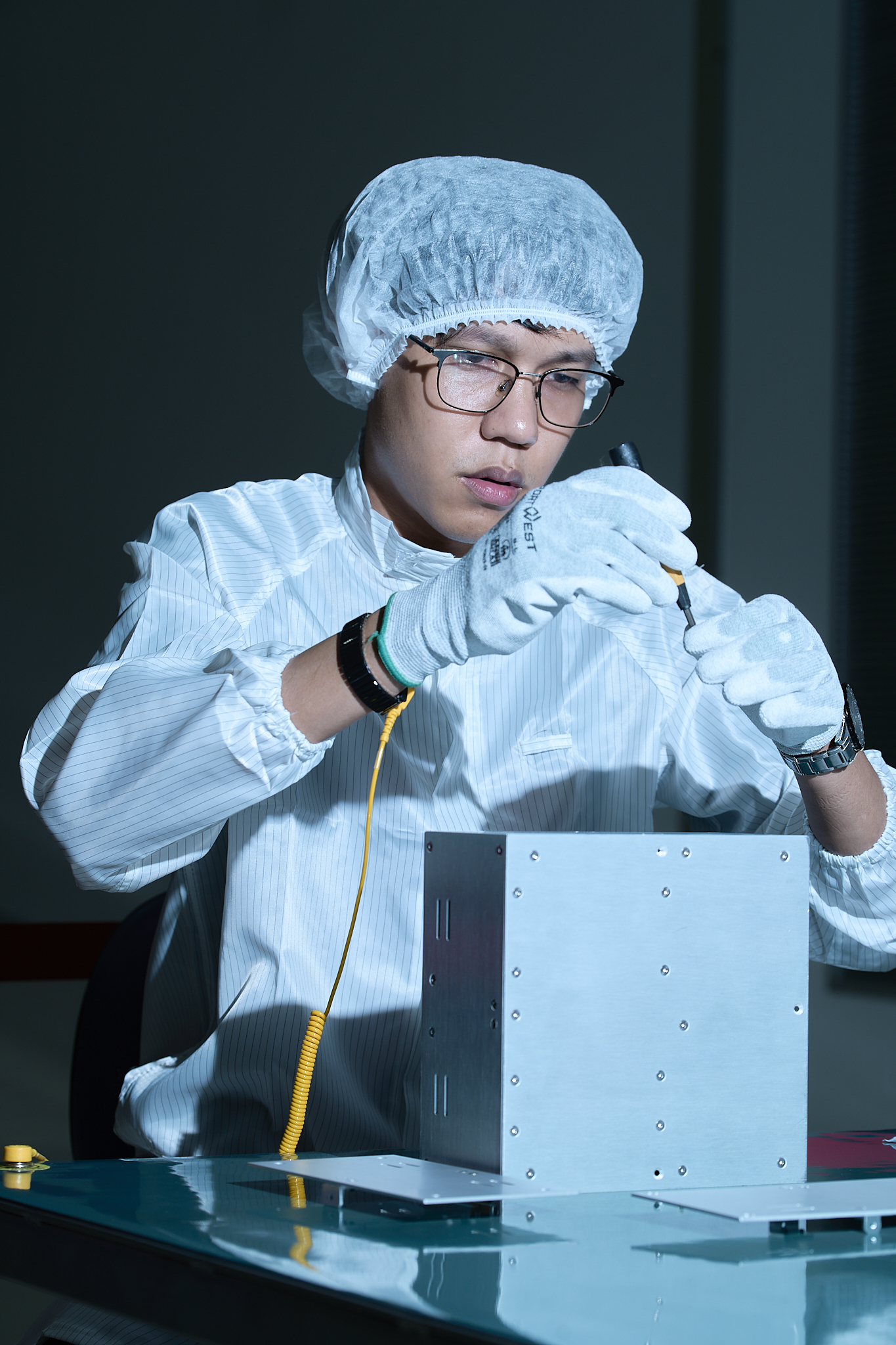
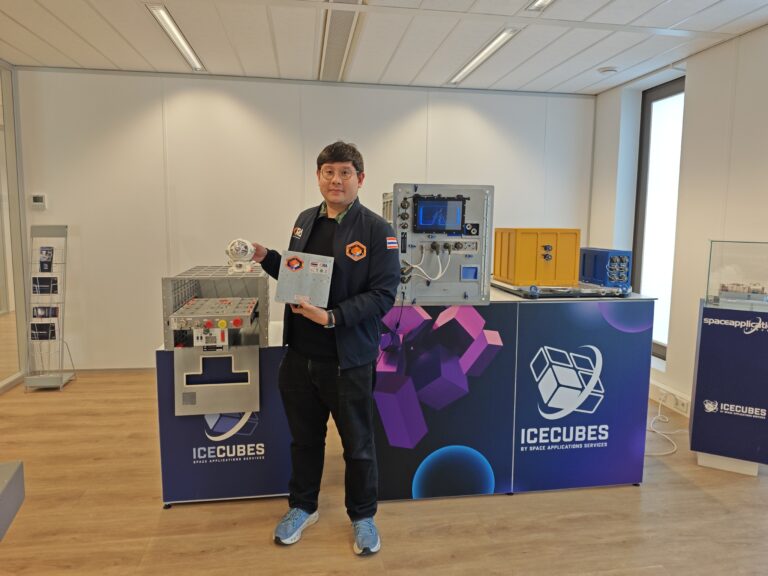
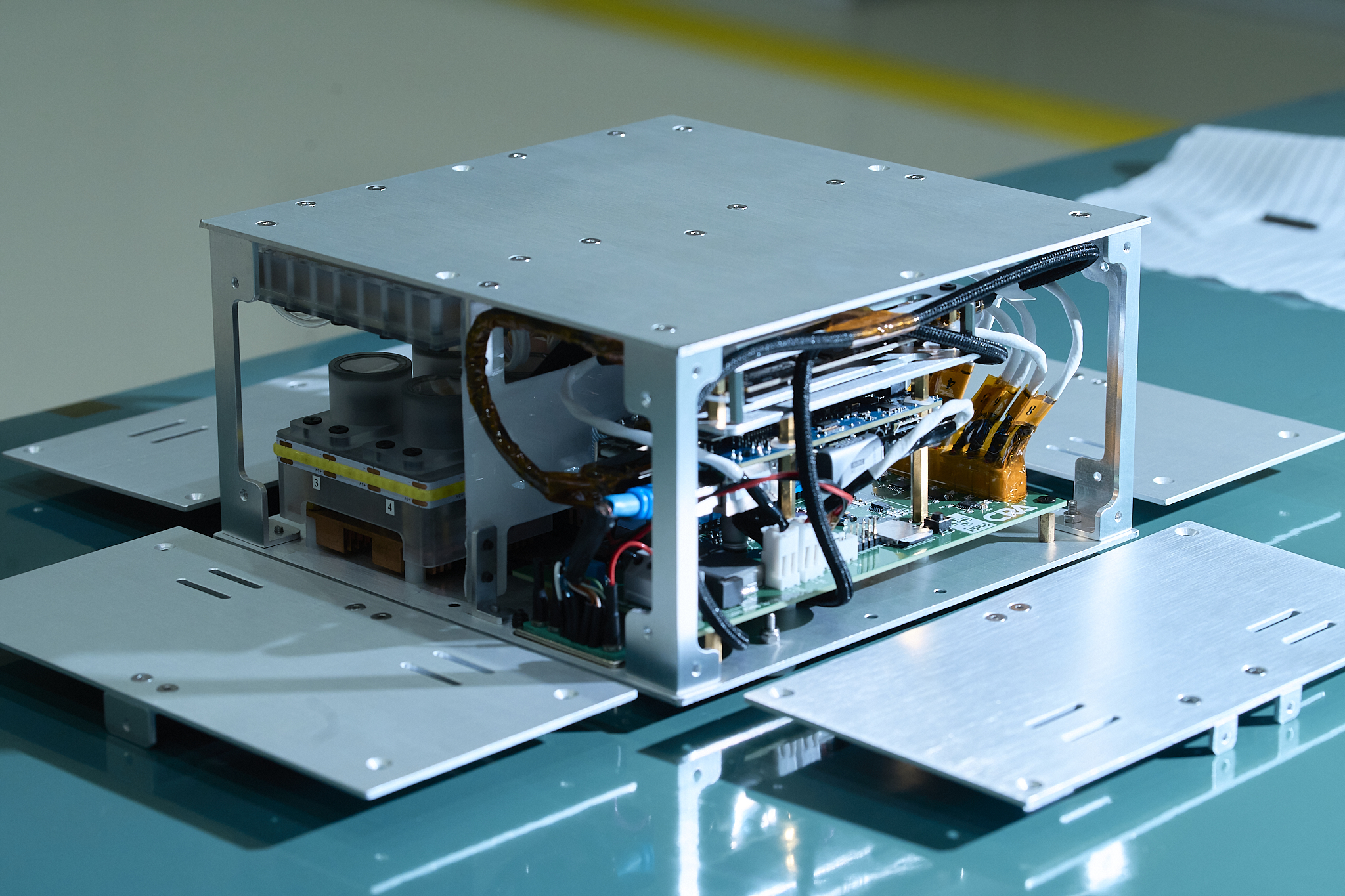
The TIGERS-X experiment cube is compact by design, measuring 200 x 200 x 100 millimeters—approximately equivalent to a 4U CubeSat form factor—with a total mass of only 2.5 to 3.0 kilograms. This small footprint allows the payload to be integrated into the ICE Cubes Facility operated by Space Applications Services, located within the Columbus module of the ISS European segment.
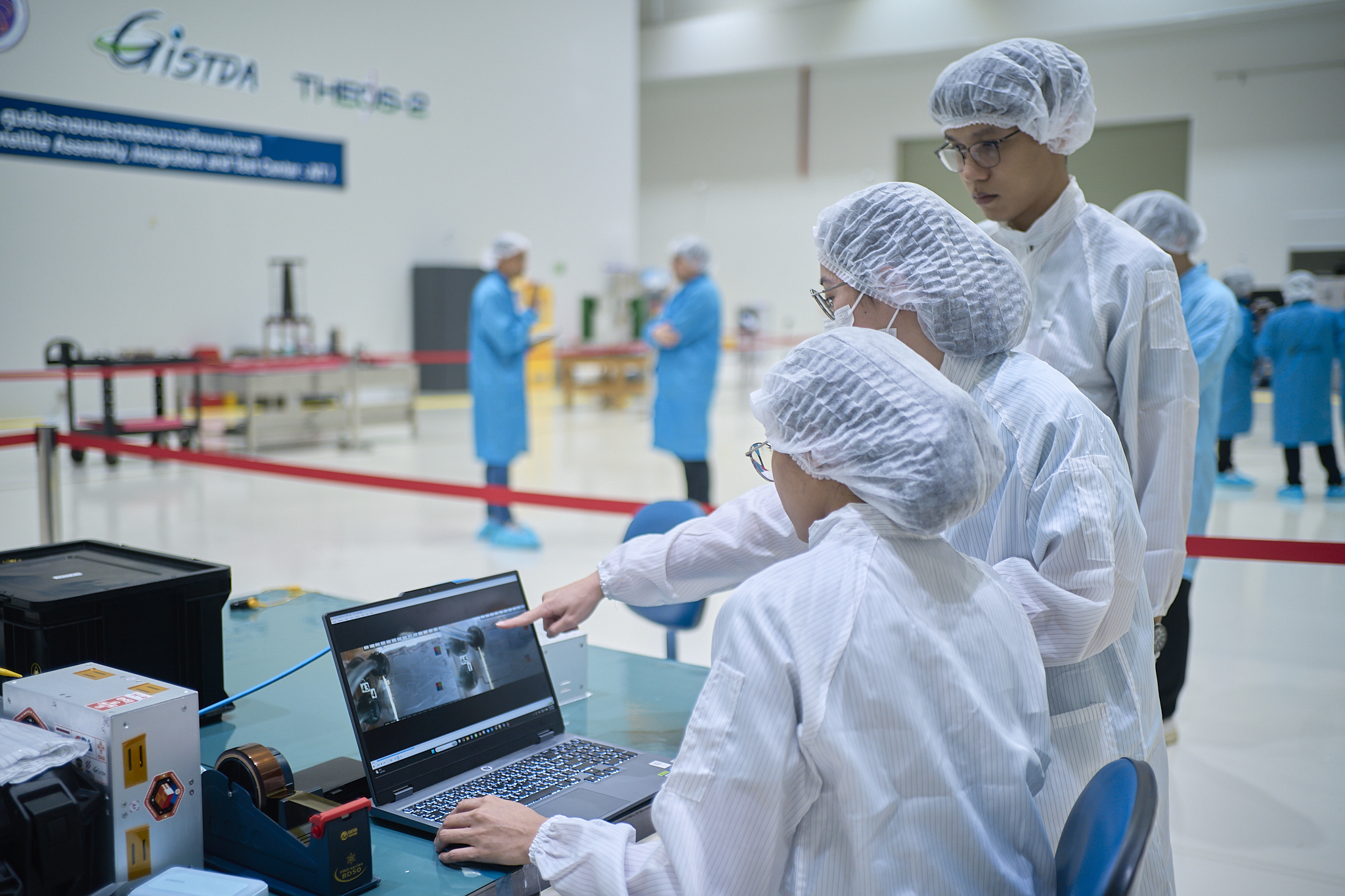
TIGERS-X is designed as an active payload, meaning it operates with onboard power and maintains continuous communication with ground systems. The system consumes approximately 9–12 watts of electrical power—comparable to a small household light bulb—and is divided into two primary subsystems. The first is the On-Board Computer (OBC), responsible for recording experimental data, while the second is the Microcontroller Unit (MCU), which manages fluid pumping operations and experiment control sequences.
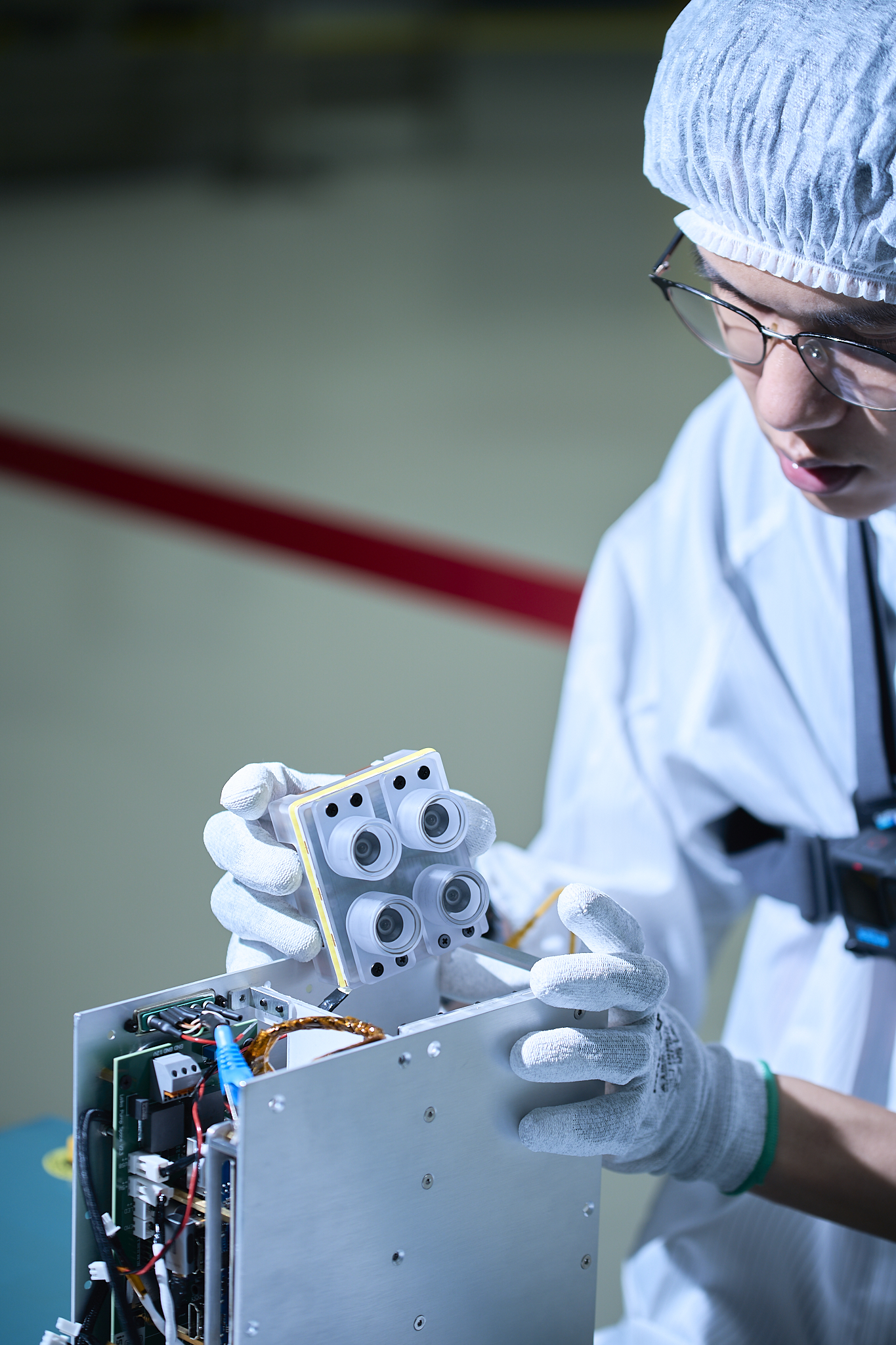
For data acquisition, the research team selected an Orange Pi 5 Ultra board equipped with 16 GB of memory and 64 GB of onboard storage. This system is further integrated with a 1 TB solid-state drive (SSD), enabling high-resolution recording from four onboard cameras that capture the behavior of fluids under microgravity conditions. This configuration ensures that detailed experimental data can be preserved locally and retrieved after the payload returns to Earth.
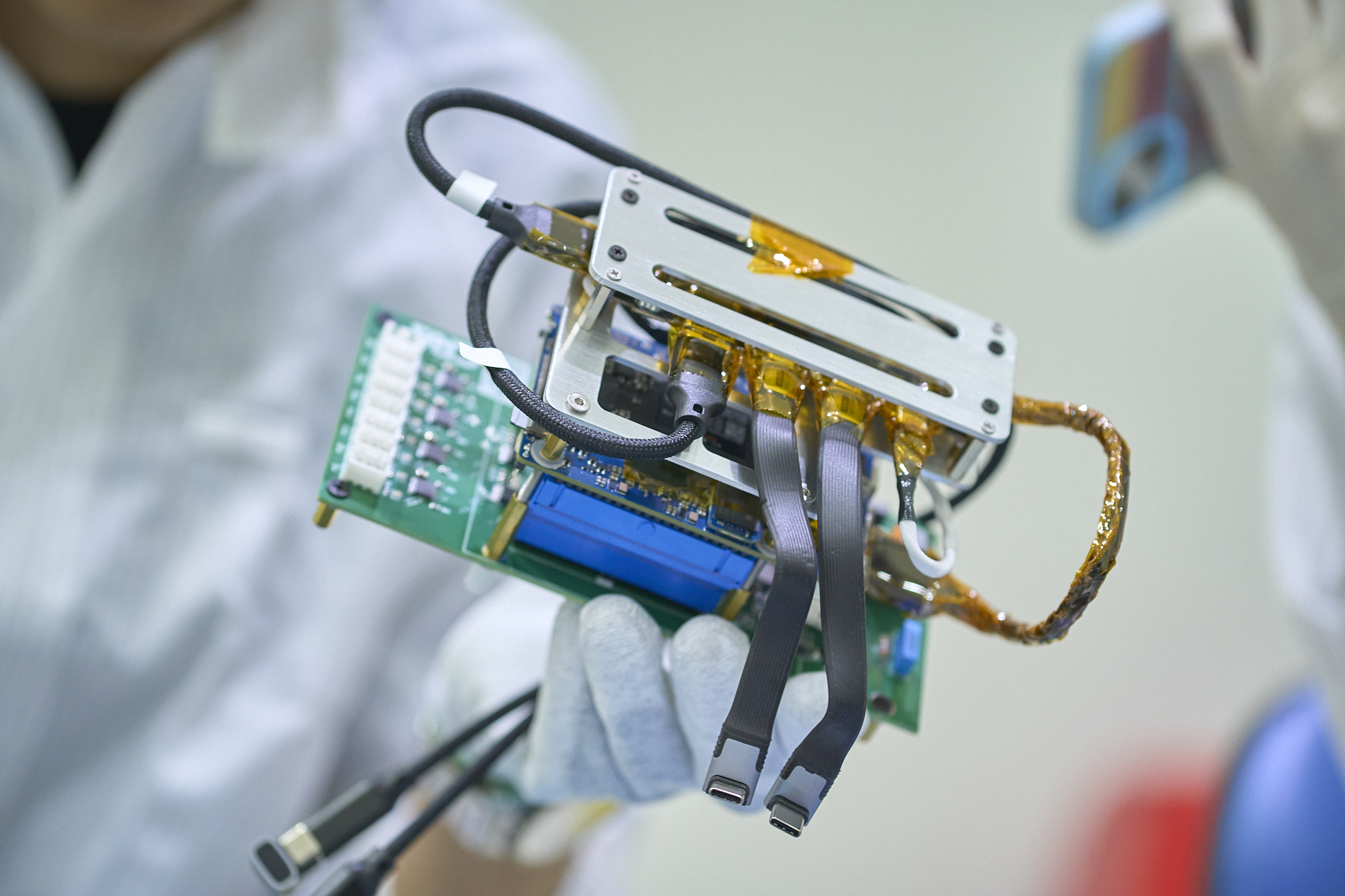
In parallel, the control system is built around an STM32 microcontroller, with 320 KB of memory and 1 MB of storage—sufficient for precise control of the microfluidic pumping system. While relatively modest in computing power, this architecture reflects a deliberate engineering trade-off, prioritizing reliability, determinism, and low power consumption over computational complexity.
The flight experiment builds upon earlier zero-gravity test campaigns but extends the observation window significantly. Instead of seconds of microgravity, the ISS platform allows data collection over hours, days, or even weeks. In addition, the payload is capable of transmitting data back to Earth in near real-time via the ISS communication infrastructure, enabling researchers to monitor experiment progress without waiting for physical sample return.
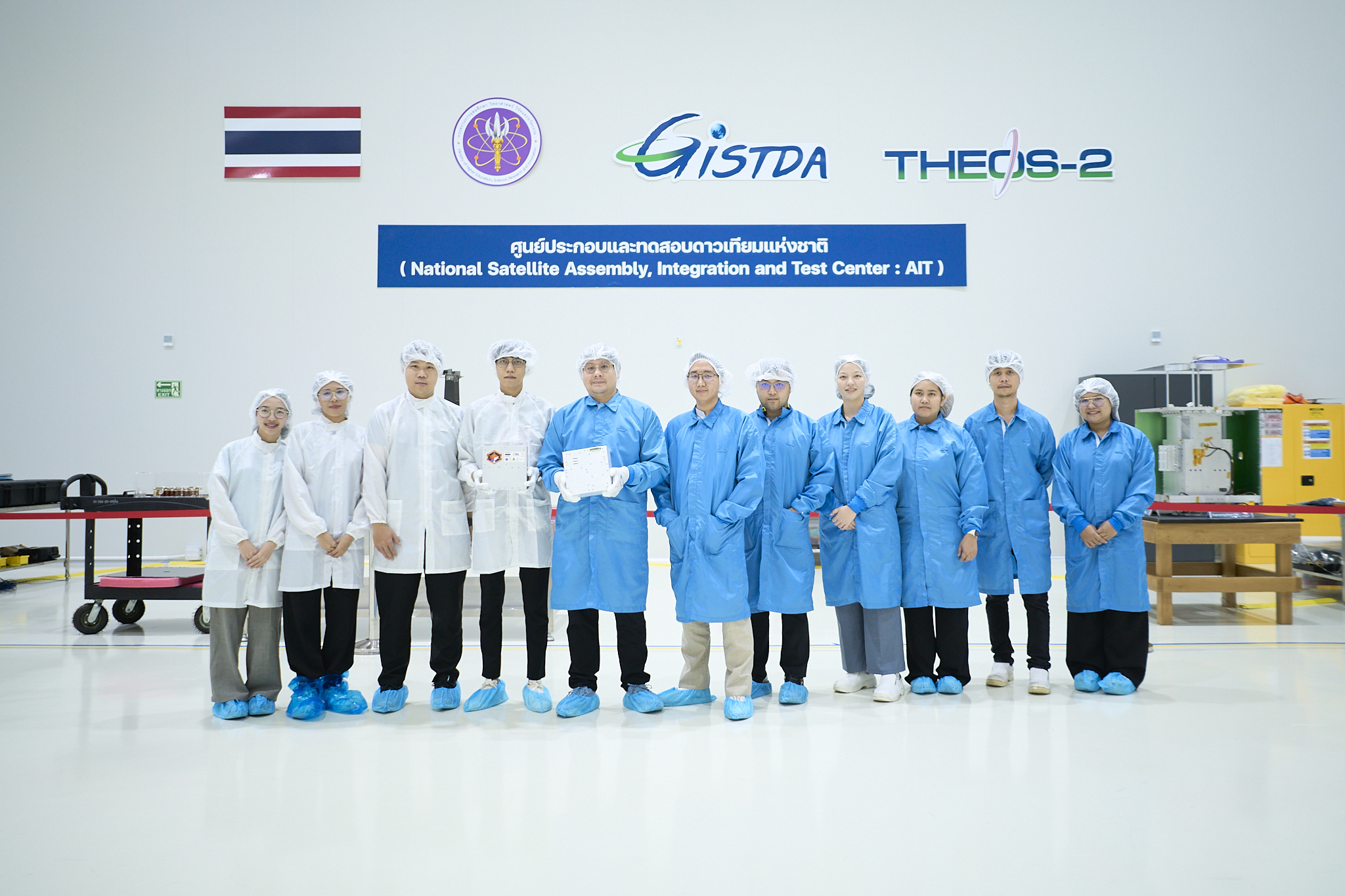
The successful completion of the TIGERS-X Flight Model assembly in a certified cleanroom facility highlights Thailand’s growing capability in producing flight-qualified space hardware. More importantly, it reflects an understanding that in modern space systems, engineering precision is not only about design—but about controlling the environment in which that design becomes reality.
About The Mission
The TIGERS-X mission is designed to investigate the fundamental behavior of Total Parenteral Nutrition (TPN) emulsions under microgravity conditions—an area where conventional ground-based research is inherently limited. On Earth, multi-phase fluids such as TPN are strongly influenced by gravity-driven forces like sedimentation and buoyancy, which cause phase separation between lipid and aqueous components over time. In orbit aboard the International Space Station, these dominant forces are effectively removed, allowing fluid systems to be governed instead by surface tension, diffusion, and interfacial dynamics. This shift creates a unique environment where intrinsic properties of emulsions—such as droplet formation, stability, and coalescence—can be observed in isolation, without the masking effects of gravity.
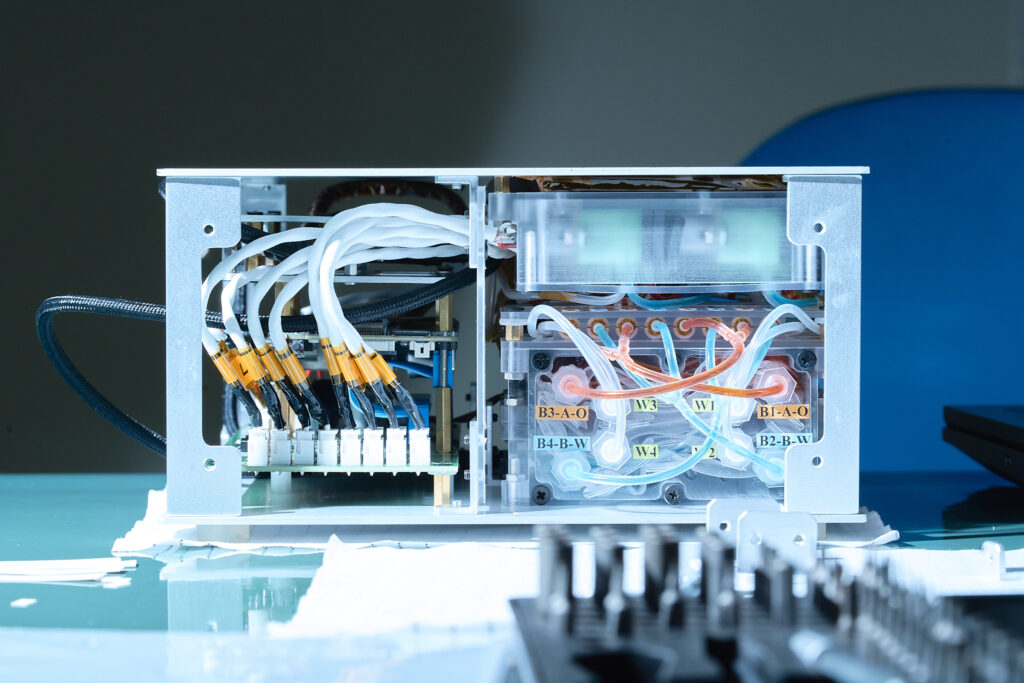
To exploit this environment, TIGERS-X employs a microfluidic lab-on-chip system integrated within the ICE Cubes platform, enabling controlled mixing and observation of fluid behavior without mechanical disturbances. The experiment is structured to generate high-resolution datasets on emulsion dynamics over time, contributing to the development of more stable and predictable formulations. In practical terms, these insights could inform the next generation of intravenous nutrition and drug delivery systems, where stability directly impacts safety, dosing accuracy, and shelf-life. By reframing fluid physics through a microgravity lens, the mission positions itself at the intersection of space engineering and clinical research—treating orbit not just as a destination, but as a controlled laboratory for solving unresolved problems in medicine.