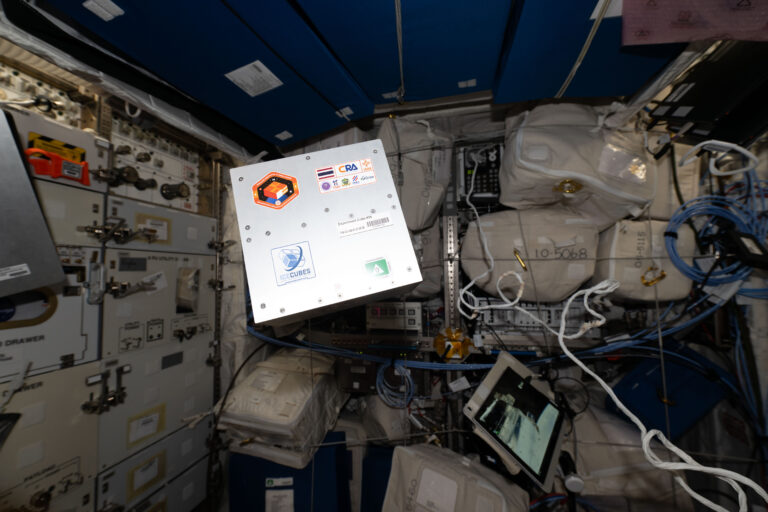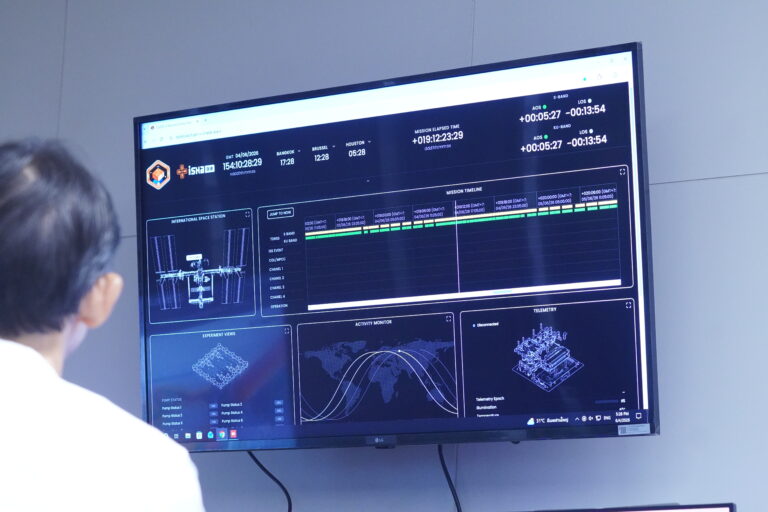

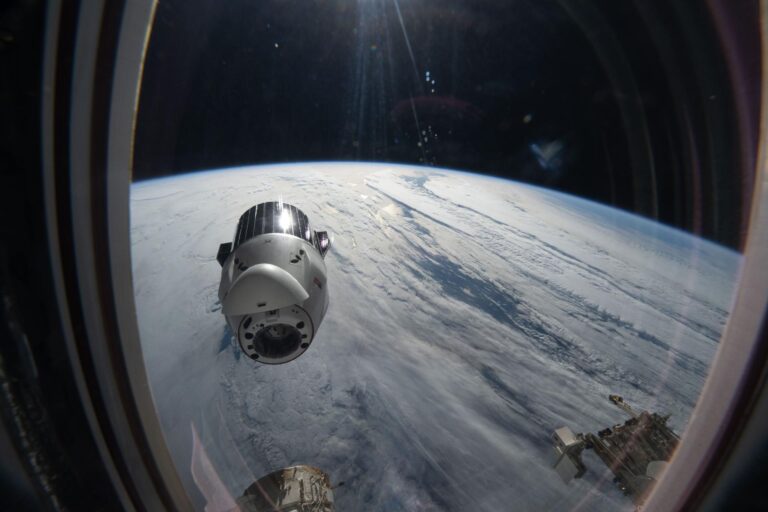
Bangkok, Thailand — As the TIGERS-X mission aboard the International Space Station (ISS) advances into its sixth day, the research team continues to build upon the momentum of Day 5, maintaining a rigorous analytical focus on the mechanics of bubble formation within the fluid system.
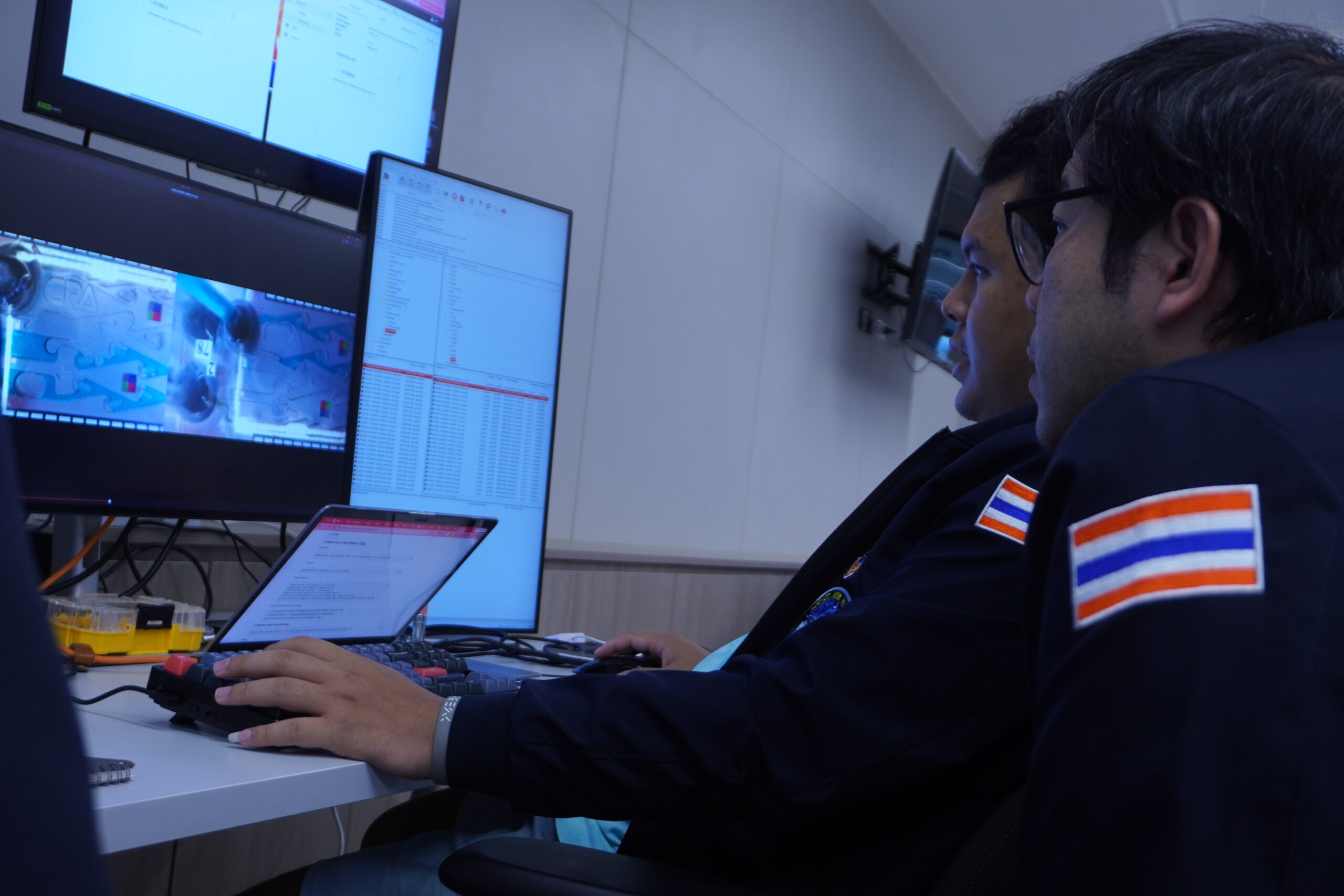
Today’s most outstanding achievement was the successful first-time activation of Experimental Channel 2 on the Lab-on-a-Chip system. The results were highly satisfactory; Channel 2 responded to all commands and operated at peak efficiency without a single malfunction. This flawless execution serves as a definitive validation of the TIGERS-X payload’s robust engineering and design.
With Channel 2 operating seamlessly, the research team initiated experiments to meticulously observe the interactions between water and oil. The investigation focused on capturing data for crucial physical variables, specifically:
- Rate of change of bubbles: The increase or decrease in bubble volume and size over time.
- Velocity: The rate of movement of both the fluids and the suspended air bubbles in a microgravity environment.
- Time of emulsion: The duration required for the two liquids to mix and sustain an emulsified state.
Guided by these variables, the research team posed a critical scientific question: “Under specific experimental conditions, can air bubbles form or generate directly within the oil phase?”
Following an analysis of the photographic and video telemetry, the team reached a definitive conclusion that no new air bubbles are formed directly within the oil layer.
Successfully resolving this visual anomaly is a significant milestone. Not only does it eliminate a potential confounding variable, but it also provides the research team with a much sharper, clearer understanding of bubble locomotion mechanisms in weightlessness. The information acquired during today’s operations will serve as a foundational database for analyzing complex fluid behaviors in the mission’s upcoming experimental runs.
Media Resource
High resolution images are available on Official Flickr including Zero-G flights, Payload Assembly and Integration, Launch, and Science Operation.