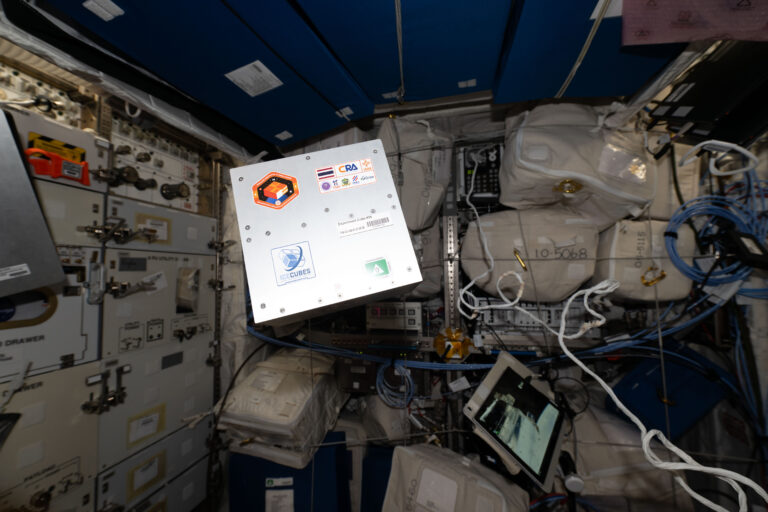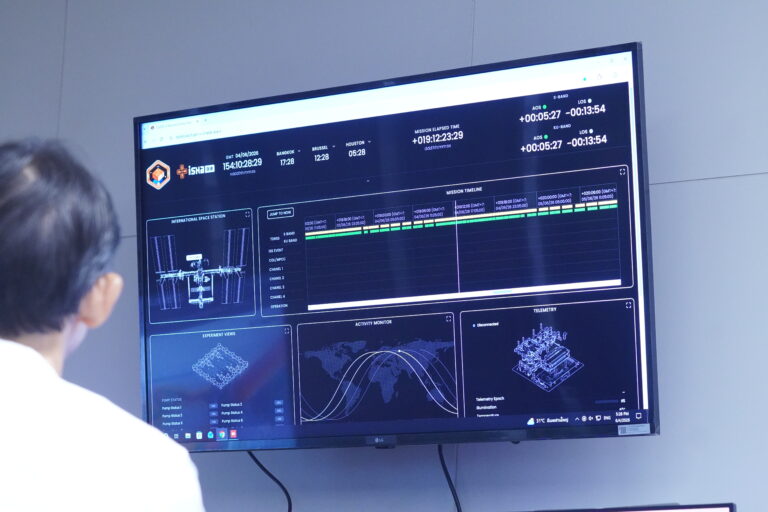

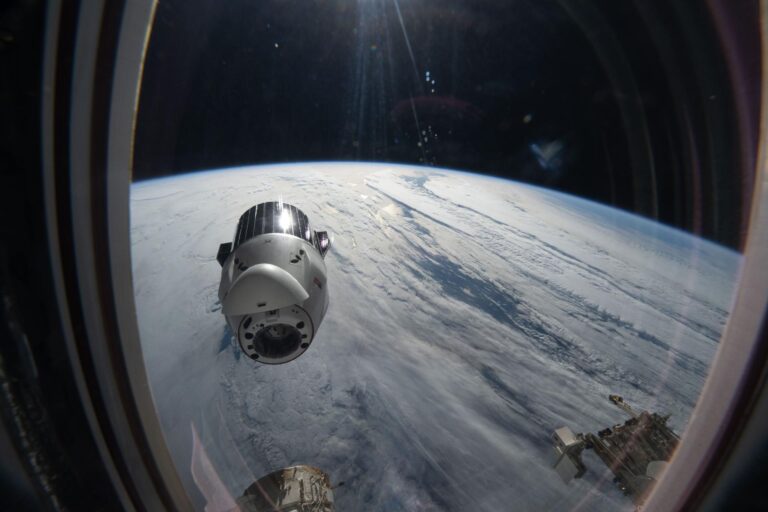
Bangkok, Thailand — As the TIGERS-X mission aboard the International Space Station enters its fifth day, the research team at the ground control continues to analyze the data. Building on the findings from Day 4, today’s operations maintained a strong focus on fluid physics while increasing mission complexity by initiating dual-channel experimental runs to maximize research efficiency.
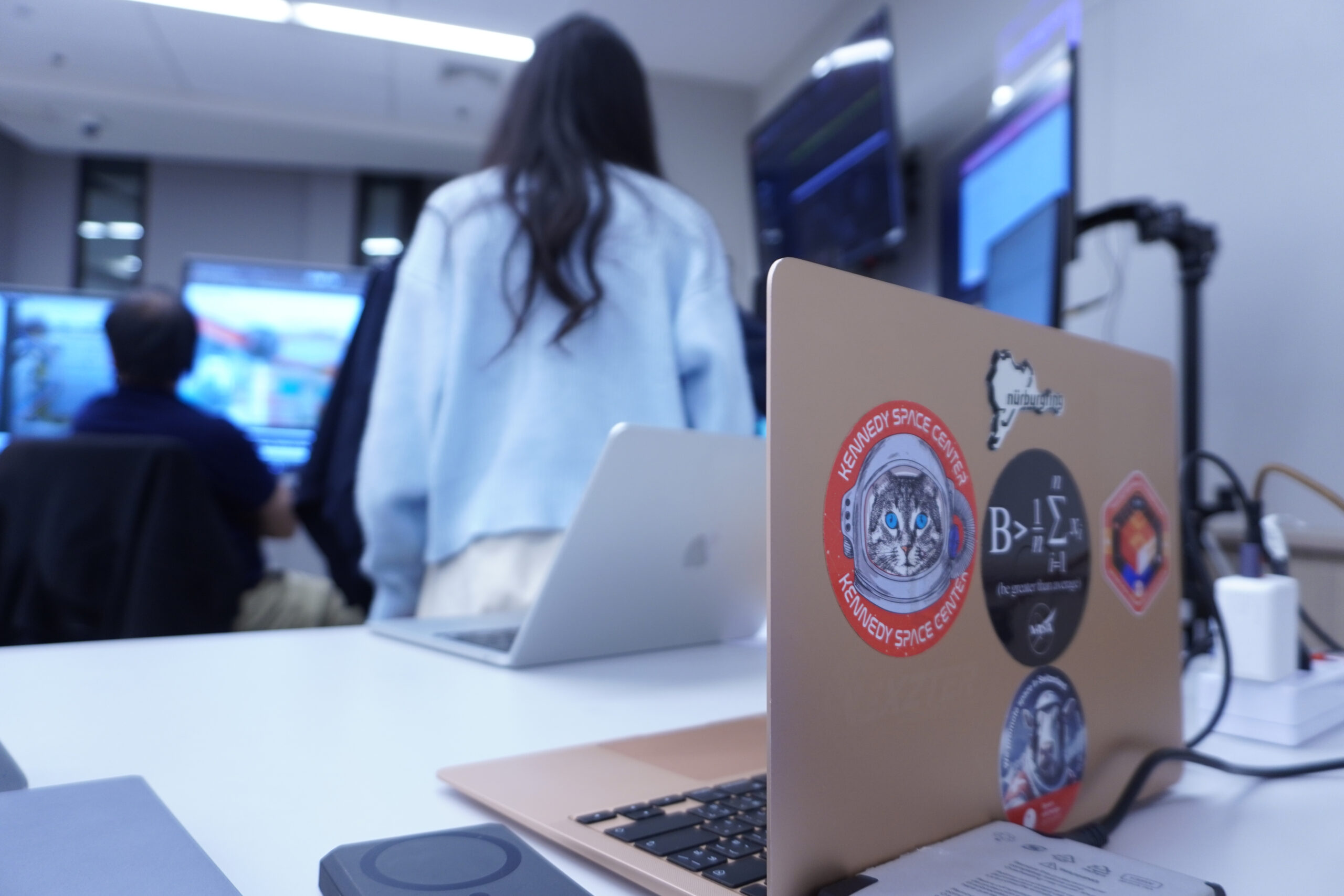
The research team remains dedicated to studying the air bubbles generated within the system. Observations confirm that bubble characteristics and behaviors in microgravity are significantly more complex and unpredictable than those on Earth. In the absence of gravity to dictate direction, surface tension emerges as the primary force governing bubble morphology and direction. This shift leads to highly atypical bubble behaviors, necessitating image processing techniques to decipher their motion. To streamline future studies, the team has successfully categorized these phenomena within the Lab-on-a-Chip, grouping similar bubble behaviors into distinct classifications.
Another major highlight of Day 5 was the observation of emulsion dynamics. The experiment successfully captured the mixing and demixing phase of emulsions. While such behaviors are commonplace on Earth, their manifestation in a weightless environment presents a highly compelling scientific phenomenon worthy of detailed investigation.
To push the system’s operational limits, the ground team commanded Experimental Channel 1 and Channel 3 to run simultaneously. The system responded flawlessly, executing the concurrent operations smoothly and demonstrating the payload’s robust capabilities.
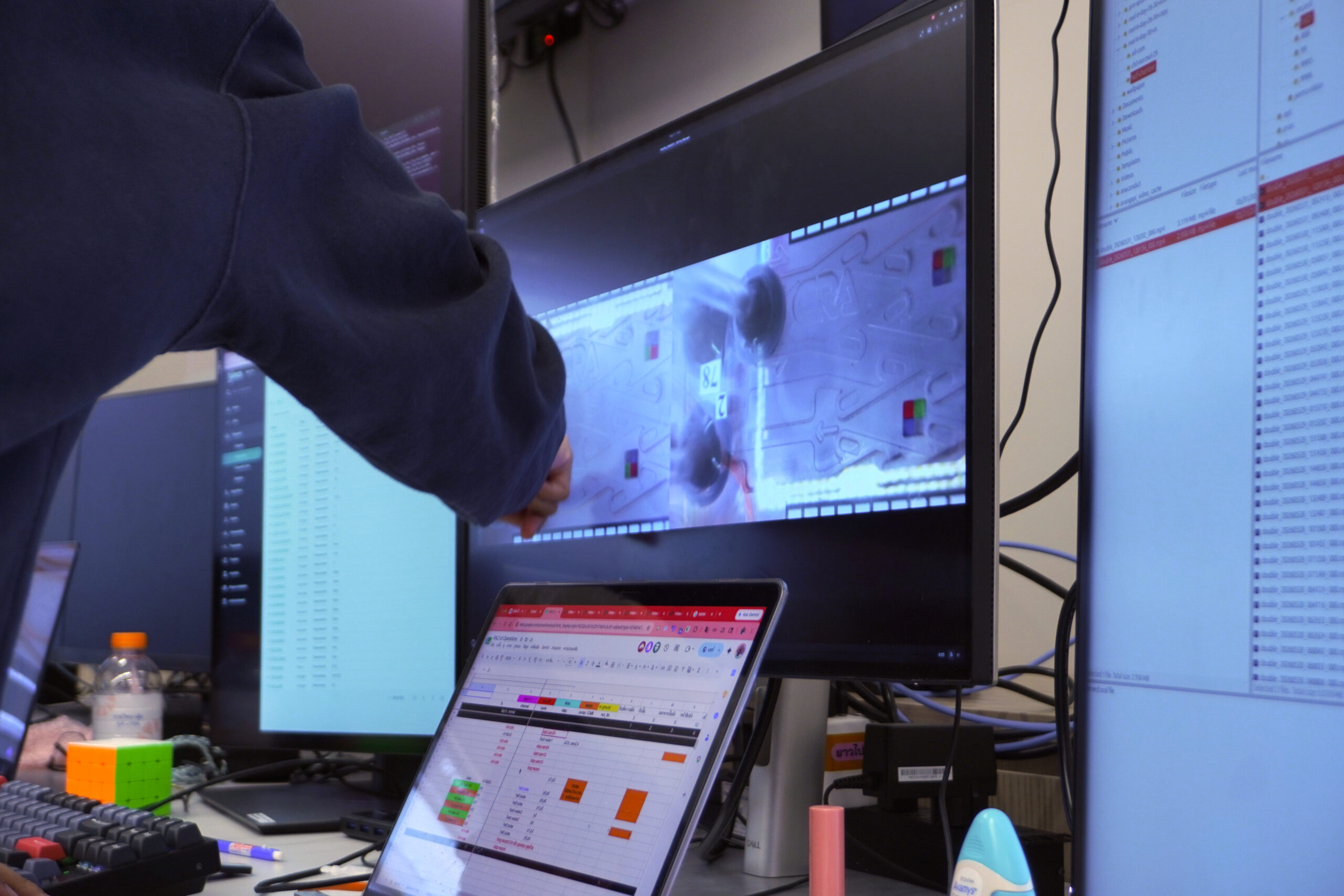
During the system calibration phase before the main experiment, researchers observed a notable anomaly: a substantial volume of air bubbles remained trapped within the system’s tubing. This persistent behavior has been consistently observed across all five days of the mission. Consequently, the team has elevated the issue of trapped air within the inlet tubes to a primary research focus.
The data gathered from this phenomenon will allow engineers and scientists to study the mechanics of residual air in closed-loop fluid systems under microgravity. This vital know-how will directly inform the design of more efficient, safer, and highly reliable fluid, cooling, and liquid delivery systems for future spacecraft and space stations.
Media Resource
High resolution images are available on Official Flickr including Zero-G flights, Payload Assembly and Integration, Launch, and Science Operation.