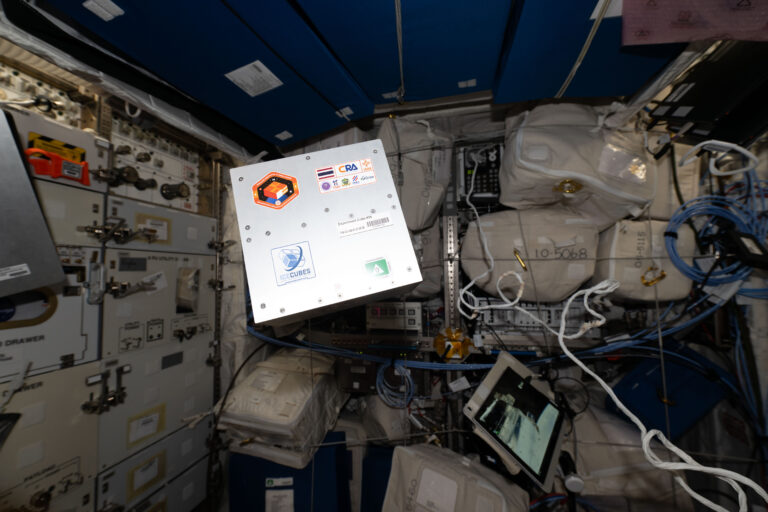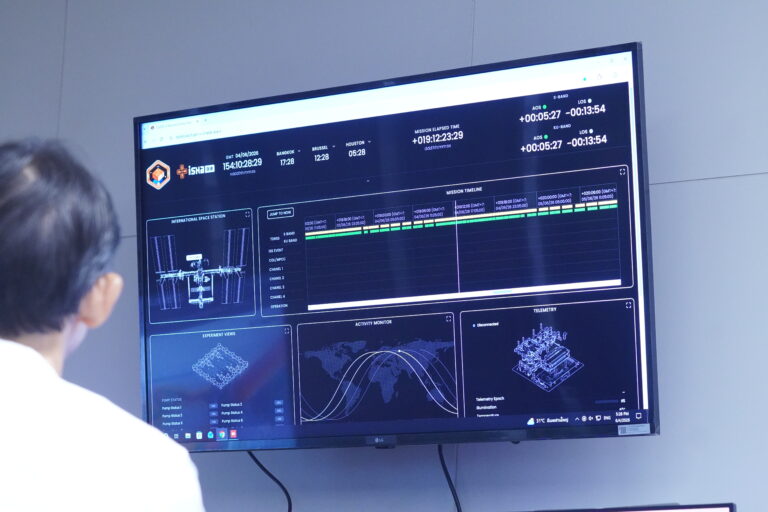

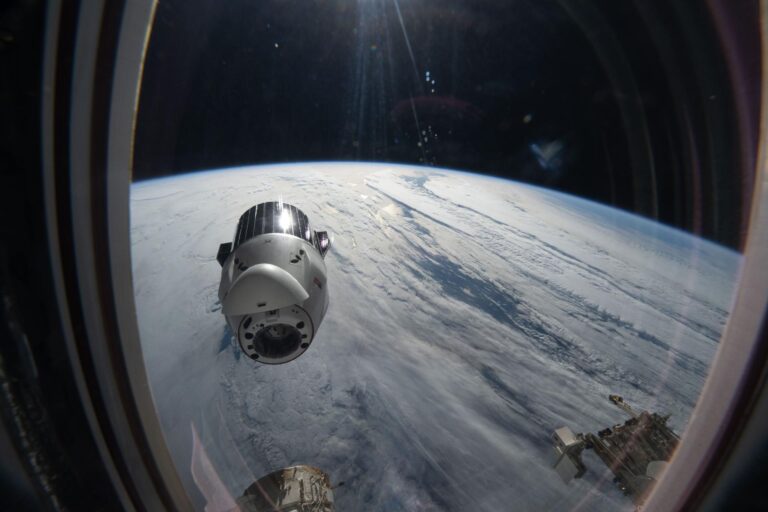
Bangkok, Thailand — On the fourth day of the TIGERS-X experiment aboard the International Space Station, the research team successfully downlinked payload data to the ground control laboratory for advanced analysis. The primary scientific focus of the day was investigating the distinct behavior of air bubbles within the Lab-on-a-Chip system, specifically exploring why bubble generation exceeds terrestrial levels and identifying the key variables differentiating this phenomenon from standard water experiments.
Preliminary data analysis revealed that the volume and behavior of bubbles in the microgravity Lab-on-a-Chip system contrast starkly with Earth-bound trials. The team determined that the driving factor is not exclusively the microgravity environment, but rather the specific properties of the experimental fluid.
The liquid utilized in this mission is Total Parenteral Nutrition (TPN), an intravenous fluid primarily composed of protein solutions and amino acids. The presence of these biomolecules induces a physicochemical effect known as the Zeta Potential.
This electrokinetic mechanism leads to the accumulation of electrical charges at the gas-liquid interface. The resulting electrostatic repulsion between individual bubbles actively prevents coalescence (the merging of bubbles) and makes them highly resistant to bursting. When coupled with the lack of buoyancy in microgravity—which on Earth would drive bubbles to the surface—the bubbles in the TPN solution remain suspended and persist within the fluid system for significantly longer durations than they would in pure water. This discovery represents a crucial step forward in understanding the complexities of fluid dynamics in space environments.
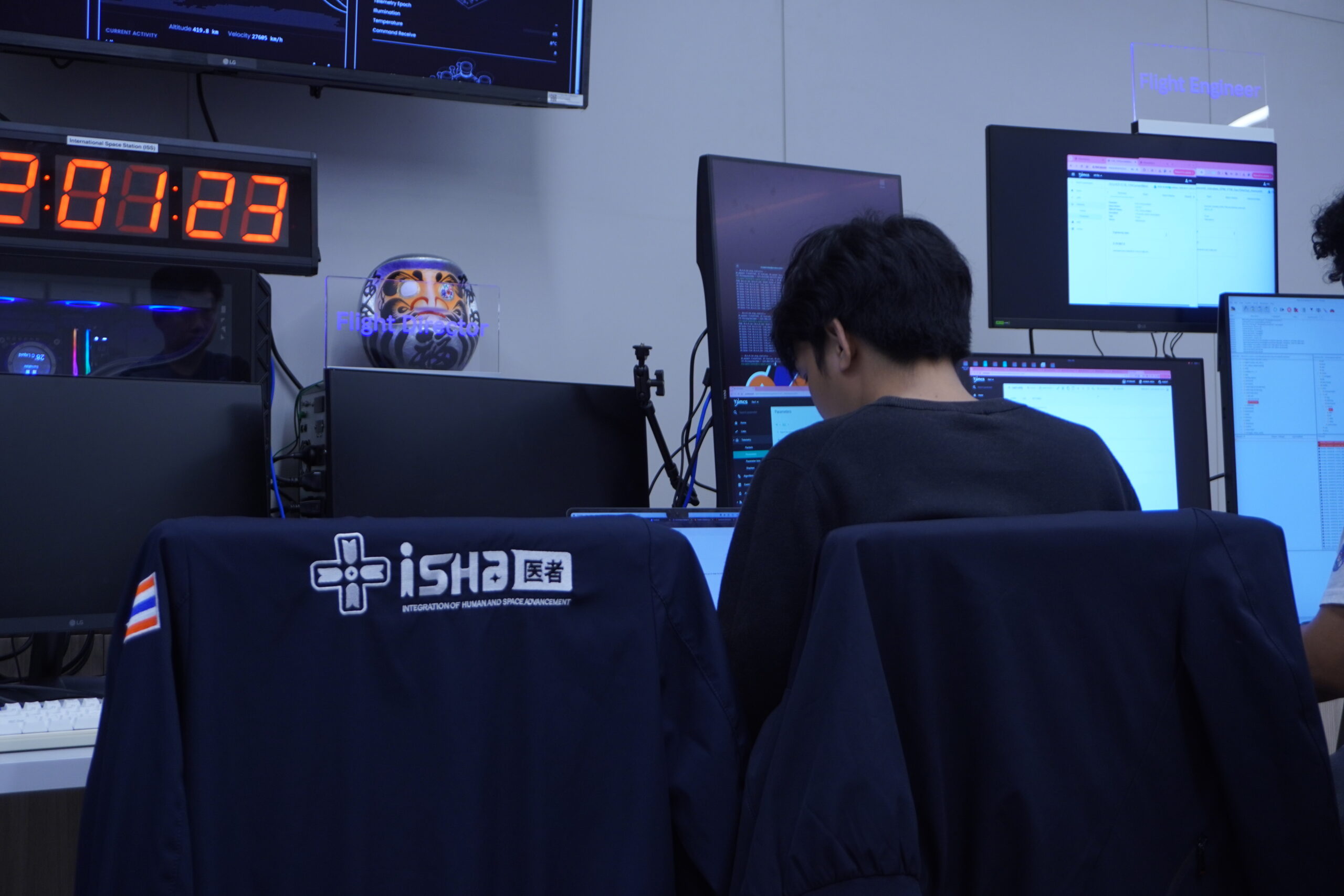
Beyond these scientific insights, the mission’s ground operations also achieved significant milestones. The project’s engineering and software development teams successfully deployed a custom-built Experiment Database Software tailored specifically for the TIGERS-X mission, alongside advanced image processing tools.
Equipped with an intuitive and user interface (UI), this software suite streamlines daily operations, enabling researchers to process and analyze data with enhanced speed and convenience. The accomplishments of Day 4 underscore the team’s operational readiness and adaptability, both in deciphering novel scientific phenomena and in deploying real-time support tools to maximize analytical efficiency for the remaining days of the TIGERS-X mission.
Media Resource
High resolution images are available on Official Flickr including Zero-G flights, Payload Assembly and Integration, Launch, and Science Operation.