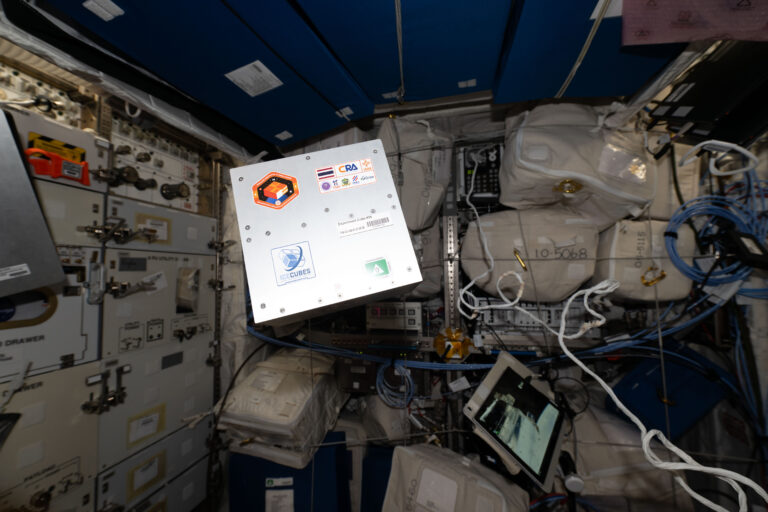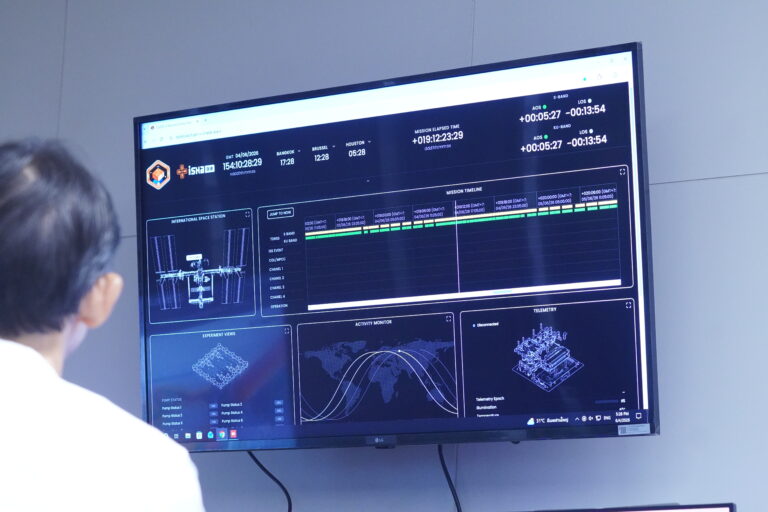

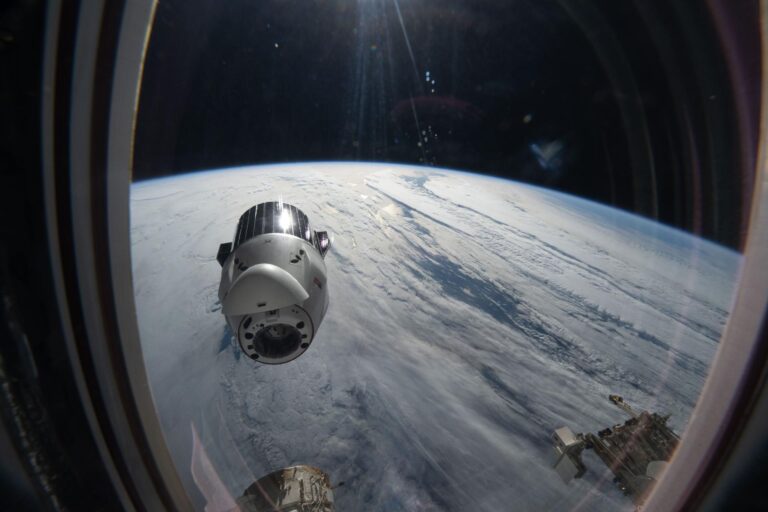
Bangkok, Thailand — On the third day of the TIGERS-X mission aboard the International Space Station (ISS), the operations team welcomed a special guest. Prof. Dr. Yodchanan Wongsawat, Deputy Prime Minister and Minister of Higher Education, Science, Research and Innovation, visited the Mission Control Room to review the mission’s progress and offer his support to the team. Concurrently, researchers successfully resolved the recent fluid anomaly and have definitively ruled out any concerns regarding potential leaks in the experimental payload.
Expanding on observations made during the mission’s second day, researchers investigated hypotheses focusing on pressure differentials. They evaluated the possibility that the liquid containment bags within the payload expanded due to the lower pressure inside the Columbus Module compared to the atmospheric pressure at the lab packing site on Earth, a phenomenon similar to the expansion of sealed packages in an airplane cabin.
However, subsequent calculations revealed that while the ISS internal pressure fluctuates between 0.7 and 1.01 atmospheres (standard operational levels), this pressure drop is insufficient to cause the containment bags to expand to the point of rupture or leakage.
Regarding the check valve mechanism, the team assessed that mechanical vibrations experienced during the rocket launch likely impacted the valve’s diaphragm. This disruption may have caused the fluid flow direction within the tubing to deviate from its nominal state. These findings provide invaluable data that will directly inform the design and optimization of hardware for future spaceflight missions.
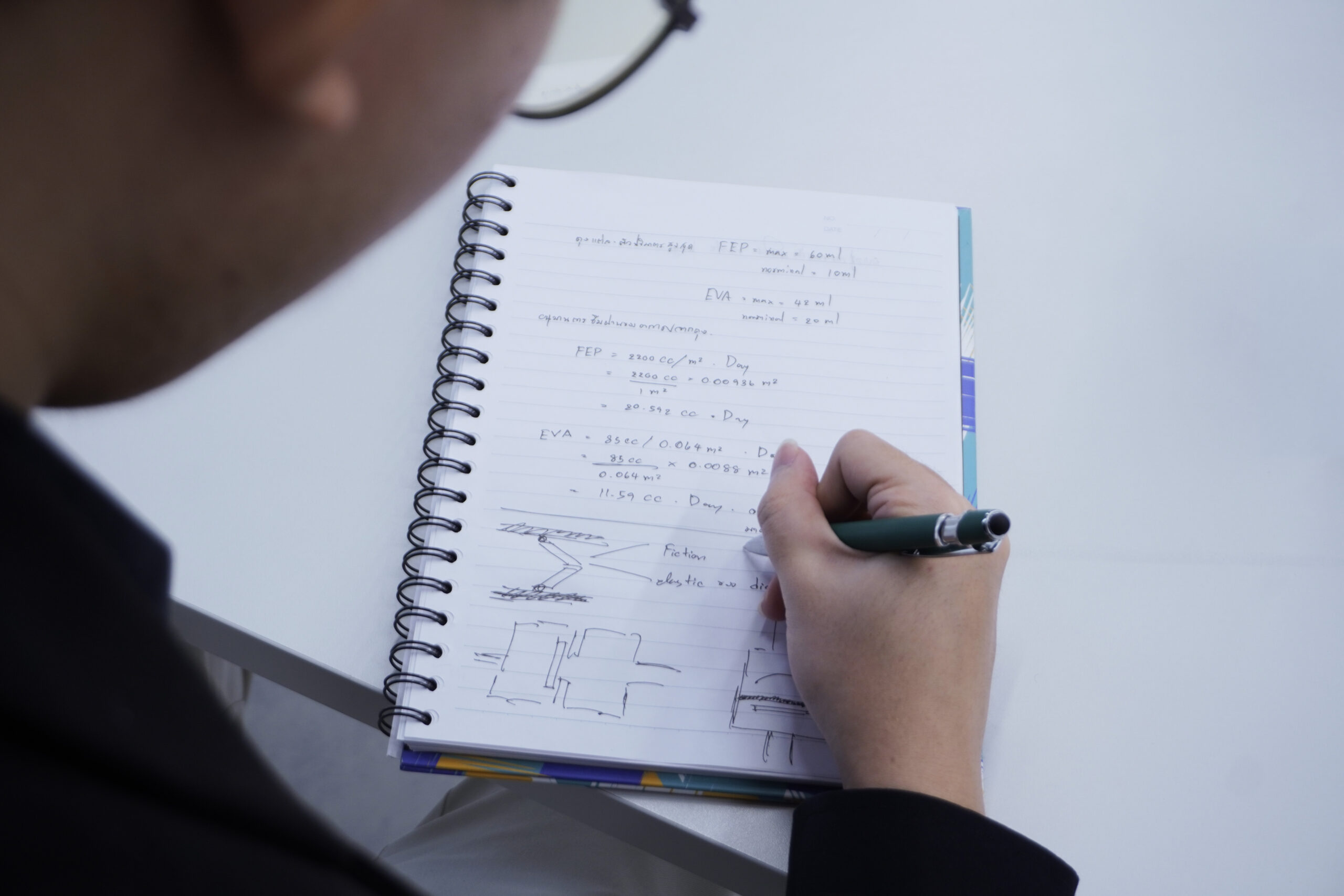
Consolidating all available telemetry and observational data, researchers reached the reassuring conclusion that the volume and behavior of the air bubbles were not caused by a system leak. Instead, the anomaly resulted from a marginal increase in internal bag pressure, compounded by the microgravity environment, which inherently alters the fundamental physics of bubble dynamics compared to terrestrial conditions. With concerns alleviated and the payload’s structural integrity confirmed, the team immediately resumed their planned scientific operations.
Concurrently, ground personnel are continuously downloading, verifying, and cataloging imaging data from the experiment. This ongoing effort will support mission planning and detailed scientific data analysis in the coming days. The team will continue to actively monitor and investigate this fluid phenomenon throughout the duration of the TIGERS-X science operations.
Media Resource
High resolution images are available on Official Flickr including Zero-G flights, Payload Assembly and Integration, Launch, and Science Operation.