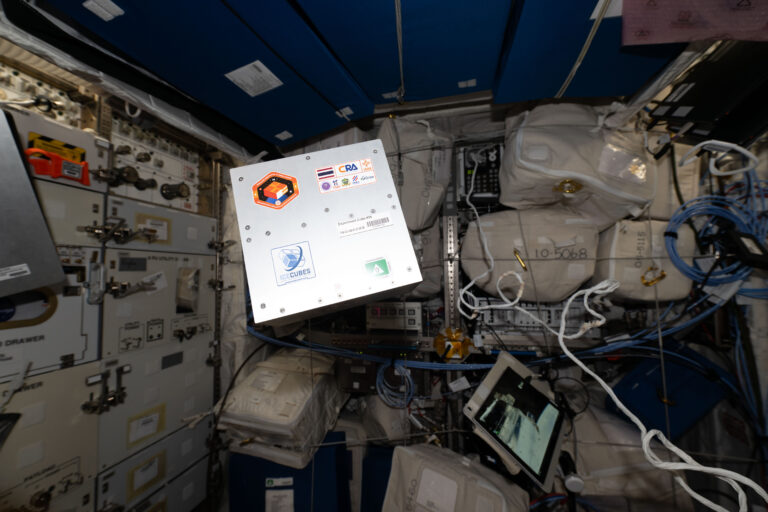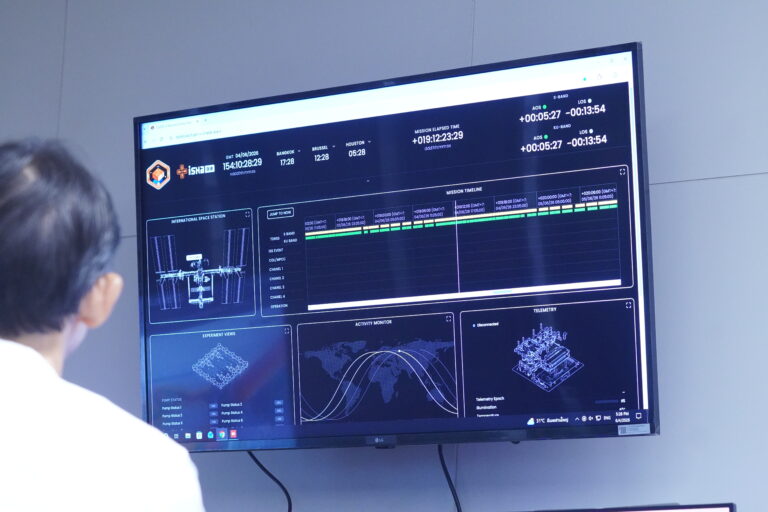

Princess Srisavangavadhana College of Medicine, Chulabhorn Royal Academy, is preparing to send the TIGERS-X experiment cube, or Thailand Innovative G-force Varied Emulsification Research for Space Exploration, to the International Space Station to study the behavior of fluid mixing in microgravity. The knowledge gained from this experiment will be applied to the development of Total Parenteral Nutrition, or TPN, as well as broader scientific fields related to nutrition and medical products, both for use on Earth and for future space exploration.
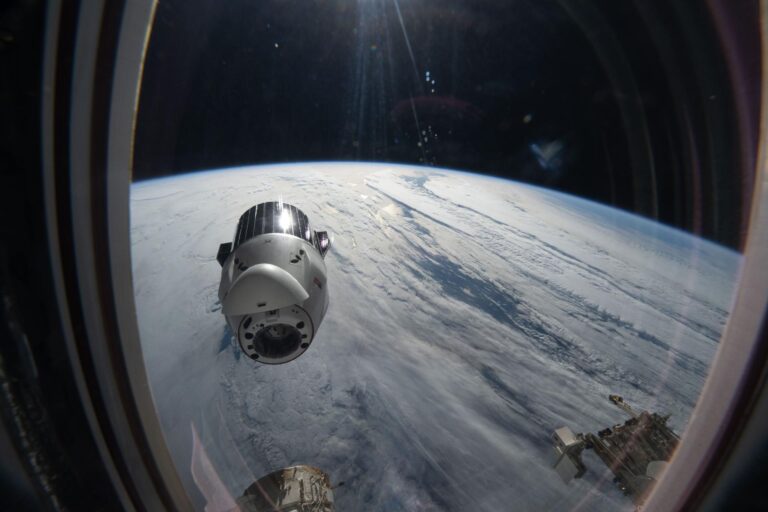
The Dragon spacecraft, operated by SpaceX, is scheduled to launch from Space Launch Complex 40 at Cape Canaveral Space Force Station in Florida, United States, on May 14, 2026, at 05:50 a.m. Thailand time. The spacecraft will travel to the International Space Station, orbiting approximately 400 kilometers above Earth, and is expected to arrive later the same day. Once aboard the ISS, the experiment cube will be installed inside the European Space Agency’s Columbus module on the automated ICE Cubes experiment platform, where it will conduct medical research in space.
The TIGERS-X experiment cube is an automated payload controlled from the ground. It has a mass of 2.5 kilograms, measures 20 centimeters in width and length, and 10 centimeters in height. Designed and developed by Thai engineers and researchers, TIGERS-X represents Thailand’s first medical laboratory in space.
The experiment is designed to study drug mixing and fluid behavior in space.
Studying Emulsion Behavior In Microgravity
The main scientific objective of TIGERS-X is to understand the behavior of emulsification, or the mixing of liquids that naturally do not combine, such as water and oil. Under normal conditions, mixing water and oil requires mechanical force, such as stirring or shaking. However, the environment aboard the International Space Station is free from the dominant influence of gravity. Microgravity removes one of the most significant interfering variables, allowing researchers to study fluid mixing without relying on mechanical force, through a process known as Static Mixing. This enables the team to observe mixing behavior more clearly and precisely.
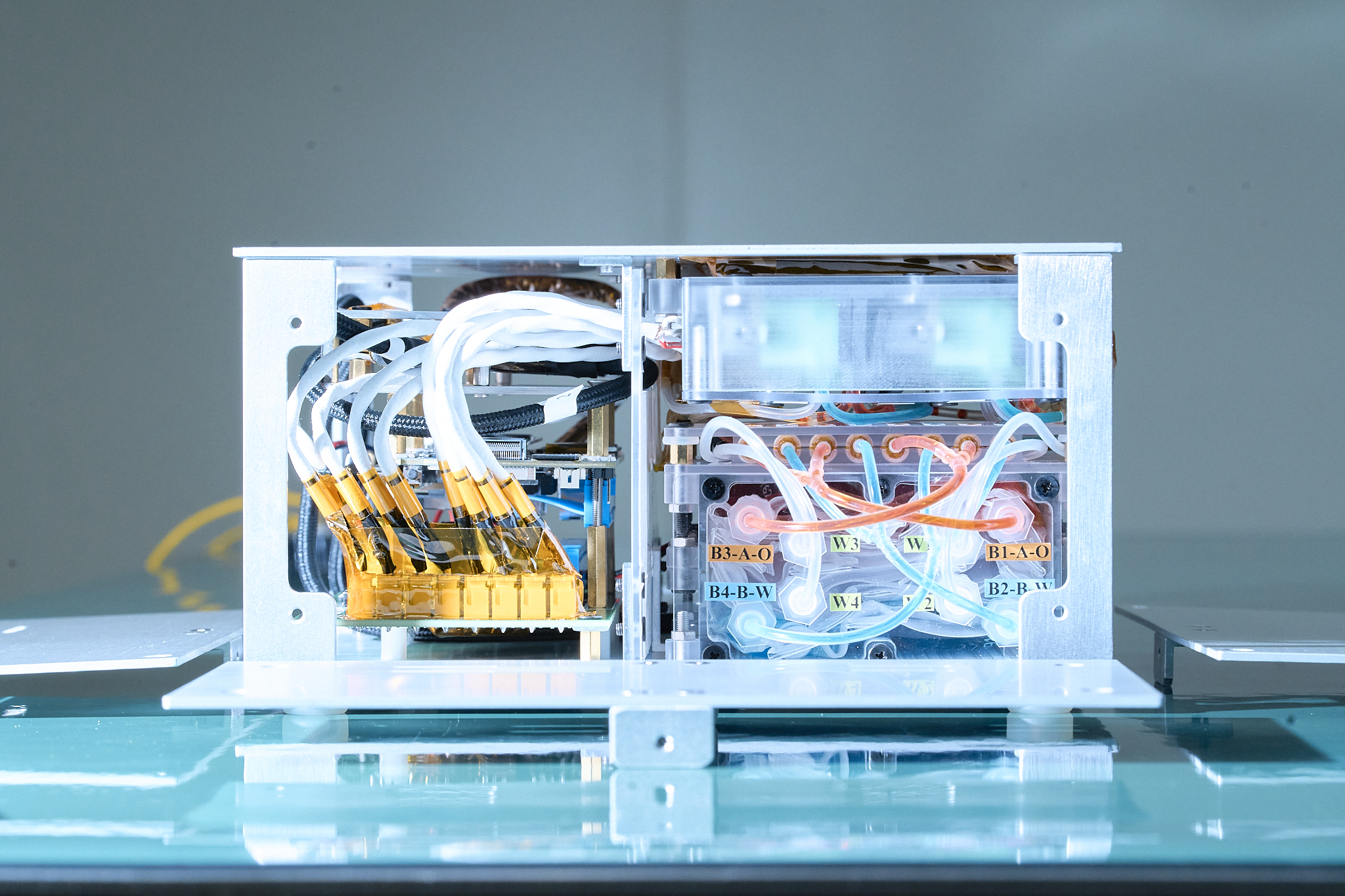
The understanding of molecular-level mixing behavior gained from this experiment will serve as a foundation for the development of Total Parenteral Nutrition formulations, as well as related scientific fields in nutrition and medical products. The expected benefits of the experiment can be divided into three phases.
In the short term, the knowledge gained from the experiment can support the development of Total Parenteral Nutrition formulations and expand scientific understanding of emulsifier processes, contributing to the future of Personalized Medicine.
In the medium term, the experiment may support the development of nutrition systems and medical products for long-duration space exploration, including missions to the Moon and Mars. These applications could become part of future Life Support Systems and Space Food Systems.
In the long term, TIGERS-X may serve as a foundation for Space Medicine, supporting future human settlement in deep space, including on the Moon, Mars, or other planetary bodies.
Advancing Thailand’s Space Engineering Capability
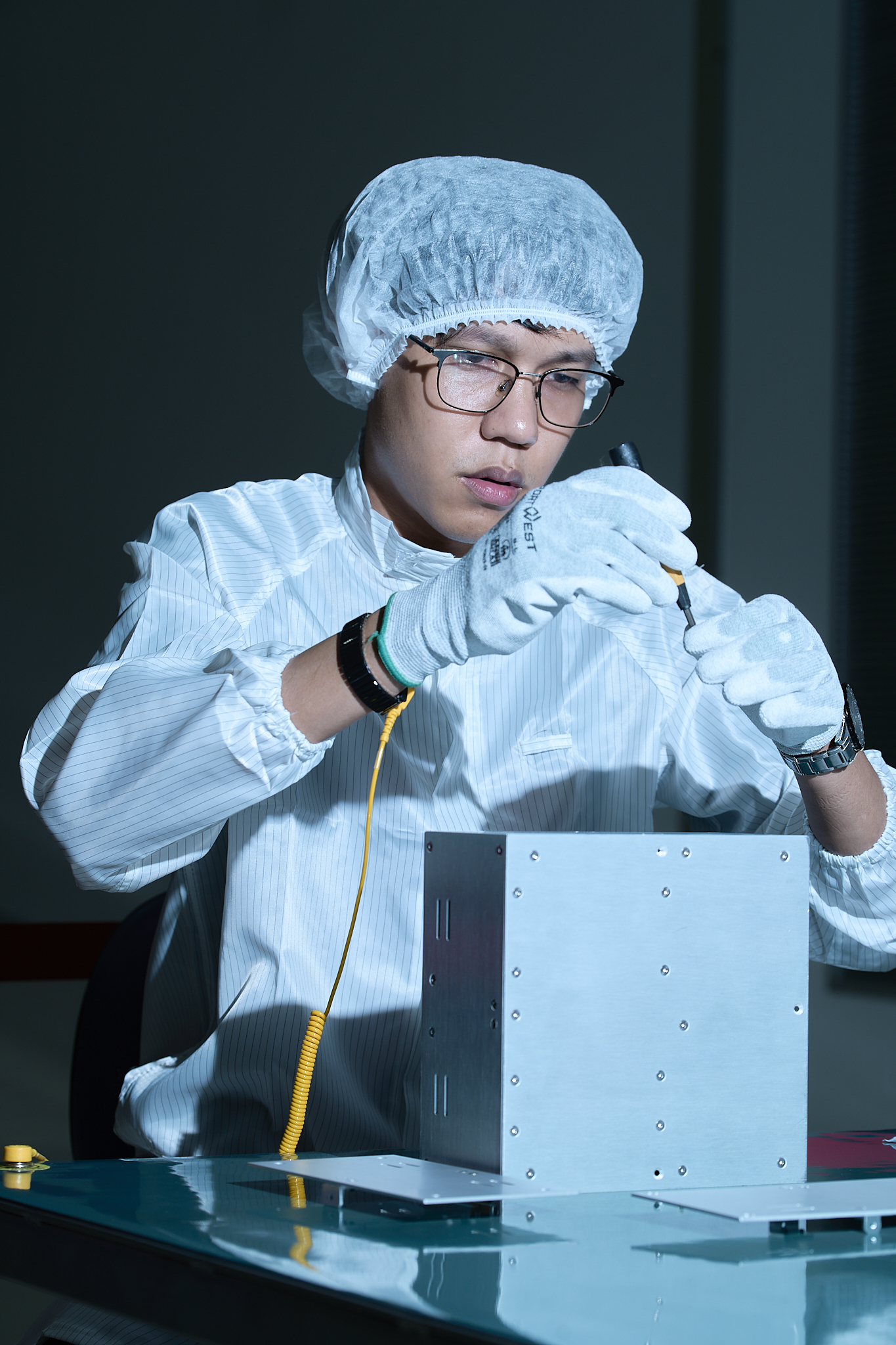
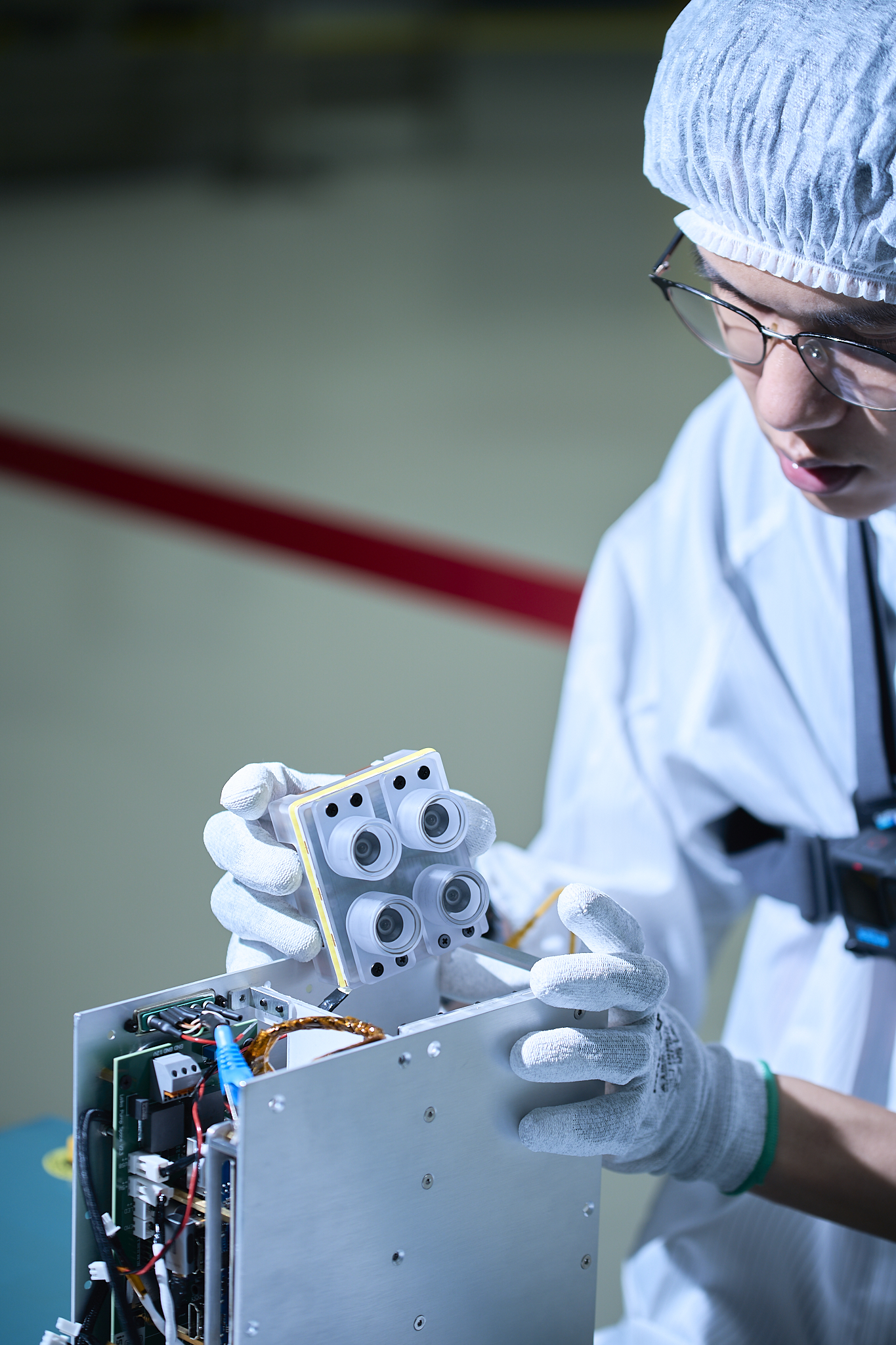
The TIGERS-X automated experiment cube demonstrates Thailand’s growing capability in space engineering. The hardware was designed and assembled entirely by Thai engineers and researchers. The project also applied Commercial-Off-The-Shelf, or COTS, components and adapted them to meet the safety standards required by both NASA and ESA, allowing the experiment to operate aboard the International Space Station.
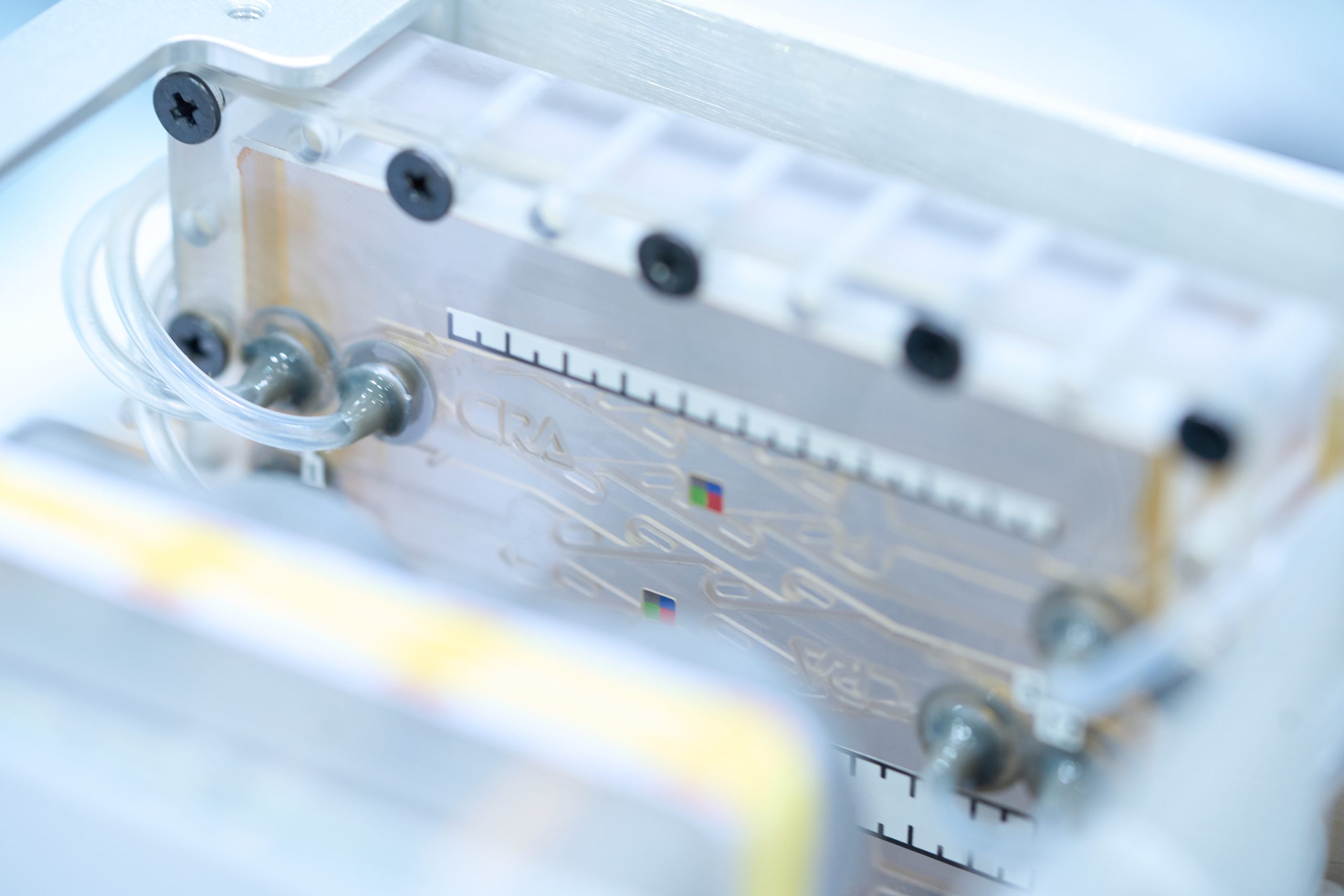
A key innovation of TIGERS-X lies in its Lab-on-a-Chip technology. The internal geometry of the device is designed as a Tesla Valve structure, a hydrodynamic configuration that creates turbulence as fluid flows through it. This allows water and oil to mix effectively in microgravity without the need for propellers or other mechanical moving parts. This Static Mixing approach not only reduces power consumption but also minimizes internal corners and spaces where contamination or residue could accumulate.
The experiment will be commanded and controlled from Thailand through the Mission Control Room at Princess Srisavangavadhana College of Medicine, Chulabhorn Royal Academy. This will allow the research team to receive high-resolution video data from the ISS in near real time, analyze experimental results, and adjust the experiment plan throughout the mission.
The development of TIGERS-X supports medical research by exploring fluid mixing technologies in space for medical applications. The Lab-on-a-Chip device serves as a prototype for designing mixing systems that do not rely on mechanical force or propellers. In the future, this technology may contribute to the development of systems for producing Total Parenteral Nutrition, in line with the vision of Princess Srisavangavadhana College of Medicine to advance Healthcare Innovations.
Conducting The Experiment Aboard The International Space Station
The TIGERS-X experiment cube will be installed aboard the International Space Station for at least 30 days. During that period, the research team will conduct experiments continuously over six days, repeating multiple experimental patterns to study different forms of fluid mixing behavior. After the experiment is completed, the hardware will return to Earth aboard the same Dragon spacecraft. The spacecraft is scheduled to splash down off the coast of California in June 2026, after which the experiment cube will be returned to the research team in Thailand for further in-depth analysis.
Benefits Of The Project And Future Opportunities
TIGERS-X is a research project focused on space-based fluid mixing technology for medical applications. The mission reflects a Strategic Paradigm Shift in Thailand’s space industry, moving the country from being primarily a user of advanced technology toward becoming a producer of innovation in medicine, robotics, and space technology.
The success of this mission demonstrates Thailand’s End-to-End Engineering Capability, covering the entire process from design, material selection, manufacturing, assembly, and testing, to the development of remote communication systems with the International Space Station. It shows that Thailand’s supply chain and technology ecosystem are becoming increasingly capable of supporting advanced industries. The engineering knowledge, technical standards, and experience gained from this mission will help build confidence and provide a pathway for Thai research institutes and private sector organizations to enter the Space Economy with greater stability.
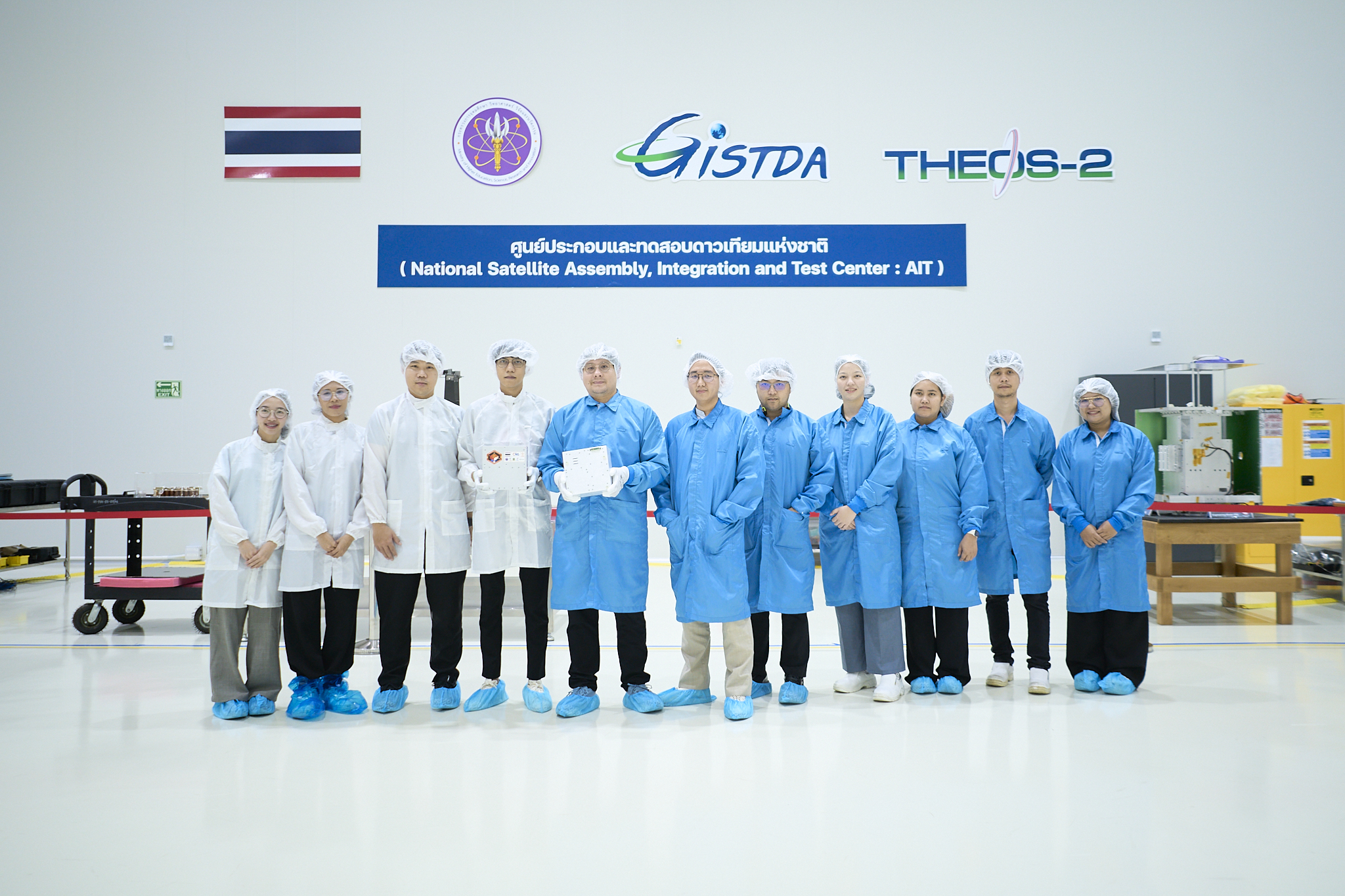
The TIGERS-X project is led by Princess Srisavangavadhana College of Medicine, Chulabhorn Royal Academy, in collaboration with Panyapiwat Institute of Management, the Thai Microelectronics Center under the National Science and Technology Development Agency, the Geo-Informatics and Space Technology Development Agency, the European Space Agency, and Space Applications Services. The project is supported by research funding from the Thailand Science Research and Innovation Fund under the Ministry of Higher Education, Science, Research and Innovation.
Media Resource
High resolution images are available on Official Flickr including Zero-G flights, Payload Assembly and Integration, Launch, and Science Operation.